
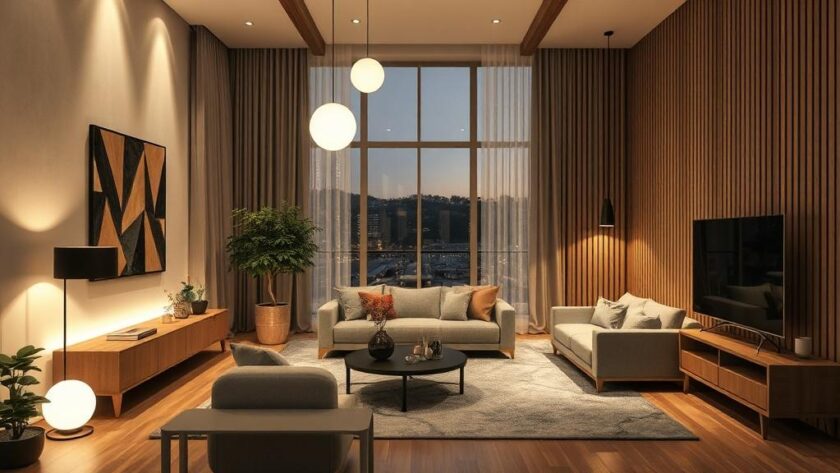
Light isn’t just a functional detail; it’s the invisible rhythm of a room. It shapes how you move, how you feel, and how long you linger on a sofa or at the kitchen island. In this guide, we’ll explore thoughtful Lichtkonzepte für Wohnräume that blend practicality with personality, turning everyday rooms into experiences you actually look forward to living in.
Understanding the language of light
Before you buy a single fixture, it helps to speak the language of light. Terminology can feel foreground-heavy, but once you know the basics, you’ll start spotting good lighting in the wild—across showrooms, in friends’ homes, and in café design. You’ll hear about lumens, color temperature, CRI, glare, and dimming—lexicon that becomes your toolkit for planning.
At its core, lighting is about three things: brightness level, color tone, and how the light distributes across surfaces. Brightness guides visibility and tasks, color tone influences mood, and distribution determines whether a space feels intimate or expansive. When you combine these elements with daylight and furniture layout, you unlock a spectrum of possibilities for Lichtkonzepte für Wohnräume.
Key terms you’ll encounter
Lumens measure how much light a source emits, while watts are a reflection of energy usage. Color temperature is expressed in kelvin (K) and roughly translates to “warmth” or “coolness” of the light. Lower kelvin numbers (around 2700K) feel warm and cozy; higher numbers (around 4000K) feel crisp and energetic. Color rendering index (CRI) tells you how faithfully a light source reveals colors in the room. A high CRI makes skin tones, fabrics, and artworks look natural.
Glare is the uncomfortable brightness that can make a room feel harsher than it should. Dimmable fixtures offer flexibility, letting you adjust the mood for different activities. Finally, beam angle and fixture placement determine how evenly light spreads and where shadows fall. When you start to map these terms onto a space, you’ll notice how a single fixture can shift the entire room’s character.
Layering light: ambient, task, and accent
A well-lit room relies on layers. Ambient lighting creates an even base level that makes the space feel welcoming. Task lighting focuses light where you need it most—over a reading chair, at a kitchen island, or in a home office. Accent lighting highlights art, architectural details, or textures, drawing the eye and adding drama. The first step in Lichtkonzepte für Wohnräume is to design these layers to work in harmony, not against each other.
In practice, consider combining ceiling-mounted fixtures for broad ambient coverage with table lamps or floor lamps for softer, movable pools of light. Add wall sconces or track lighting to sculpt walls or emphasize architectural features. The result is a space that can shift from daytime bustle to nighttime calm with a single switch or a gentle dimmer sequence.
Strategies for effective layering
Start with a ceiling light that provides even, diffuse brightness without glare. Then place task lights where you read, prepare food, or work on a laptop. Finally, insert an accent light to highlight a piece of art or a textured wall. Remember, the goal isn’t to flood the room with light but to build a balanced hierarchy that responds to activity and mood.
Another practical tip is to plan fixtures by sightlines. In a small living room, for example, you might avoid relying solely on a single ceiling fixture. Instead, combine a central flush-mount with a couple of well-placed lamps and a wall washer that grazes a shelving unit. When you walk from room to room, there should be a natural sense of progression created by these layered cues.
Color and texture: how hue affects mood
Light color temperature interacts with the color palette of a room. Warm light tends to feel cozy and intimate, while cooler light can sharpen focus and reveal texture. Neutral whites walk a fine line between these extremes, offering flexibility across seasons and activities. In Lichtkonzepte für Wohnräume, color temperature isn’t just an aesthetic choice—it’s a tool for shaping behavior and rhythm.
Material surfaces also reflect and absorb light differently. A satin-painted wall might bounce more light than a matte surface, while a glossy surface can create enticing reflections that add energy to a space. Pairing warm-toned lighting with rich textures like wool, wood, or velvet can produce a layered, inviting atmosphere, while cooler tones paired with glass and stone can feel modern and expansive.
| Color temperature (K) | Room mood | Suggested use |
|---|---|---|
| 2700–3000 K | Cozy, intimate | Living rooms, bedrooms, dining nooks |
| 3500–4100 K | Balanced, versatile | Kitchens, home offices, workspaces |
| 5000–6500 K | Bright, energetic | Utility spaces, craft rooms, studios |
In practice, a living room might blend 2700–3000 K for the couches with a touch of 3500 K in task lighting at a sideboard. A kitchen or home office can lean toward 4000 K for clarity, while art highlights might use a cooler temperature to keep colors crisp. This deliberate play with color temperature helps Lichtkonzepte für Wohnräume feel intentional rather than random.
Zonal planning: by room
Lighting schemes that travel from room to room with you require a thoughtful map of how spaces are used. Zonal planning is the process of dividing a floor plan into function-focused clusters, each with its lighting logic. You may find yourself orchestrating different moods in the same open-plan area: a calm reading corner, a bright cooking zone, and a soft-illuminated entry that invites you to pause.
Begin with a layout sketch that marks main activities: lounging, cooking, dining, working, and winding down. For each zone, assign a dominant lighting layer and one or two supplementary accents that can be turned on for drama or privacy. As you populate these zones with fixtures, you’ll begin to see how Lichtkonzepte für Wohnräume emerge as a living, breathing design system rather than a grab-bag of fixtures.
Living room and lounge areas
The living room is where daylight and artificial light must cooperate across the day. In a sun-filled space, you may want to dim the overhead light and rely more on lamps to sculpt shadows and add warmth. In a room with spectacular artwork, you’ll add track lighting or wall washers to highlight textures without washing out color fidelity.
For a comfortable, flexible setup, consider a central ceiling fixture for ambient brightness, a couple of floor lamps that can be moved for different seating arrangements, and a wall-mounted fixture to add depth along a bookshelf or fireplace. The goal is a space that can glow softly for conversation or brighten up for movie night without feeling clinical.
Kitchen and dining
In kitchens, brightness is a practical concern. Task lighting above counters and islands helps with food prep, while ambient lighting keeps the room from feeling sterile. Pendant lights over a dining table become a visual anchor, and adjustable brightness allows you to switch from casual daytime meals to intimate evening gatherings.
When designing Lichtkonzepte für Wohnräume for kitchens, think about glare control over work surfaces. Recessed fixtures or track lighting with diffusers can minimize harsh reflections on glossy countertops. Dimmer switches worn through the dining area help transition from bright cooking activity to candlelit dinners, all with one touch or one voice command if you’re using smart lighting.
Bedroom sanctuaries
The bedroom benefits from a quiet, layered approach. A soft ceiling wash creates a calm atmosphere, while bedside lamps offer personal light for late reading without disturbing a partner. Consider wall sconces or swing-arm lamps to save surface space and reduce clutter around the nightstands.
Since bedrooms are places of rest, consider tunable white lighting that shifts in sequence with the circadian cycle. In the morning, cooler light can help wake you up; in the evening, warmer light signals the body that it’s time to wind down. Subtle accent lighting behind a headboard or along architectural details can add depth without overpowering the sense of calm.
Home office and study zones
A productive workspace hinges on task lighting that reduces eye strain and illuminates details clearly. Desk lamps with adjustable color temperature and brightness are invaluable. When you combine them with an overhead layer that provides even coverage, you’ll create Lichtkonzepte für Wohnräume that support focus without becoming clinical.
Consider indirect lighting behind a monitor to reduce reflections, and ensure the workspace has enough vertical illumination to balance the screen’s brightness. For longer tasks, a light source with a high color rendering index will help you discern true colors and textures, which matters if you work with color palettes, fabrics, or paint swatches.
Entryways and hallways
Entry lighting sets the first impression and helps with safety. A bright entry with layered lighting—recessed fixtures, a wall sconce, and a small table lamp—creates a welcoming approach. As you walk through hallways, wall-mounted lighting or cove lighting can guide you without creating harsh shadows at every turn.
If space is tight, use a discreet but powerful ceiling fixture paired with motion sensors for energy efficiency. The moment you step into the space, you should feel a sense of arrival, not a glare that makes you squint or stumble in the dark.
Smart lighting and energy efficiency
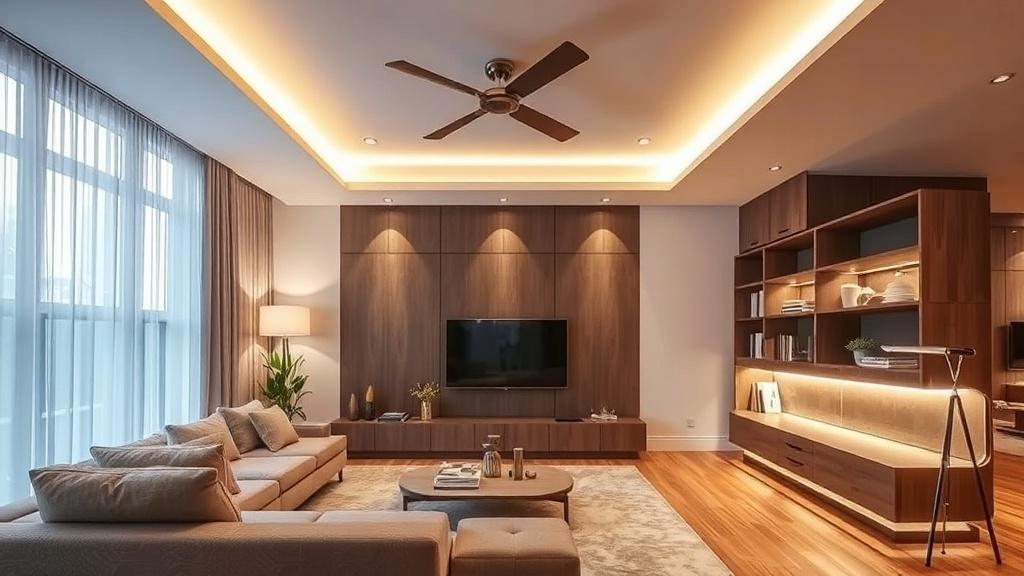
Smart lighting has moved from gimmick to common-sense feature. The ability to schedule scenes, control brightness, and adjust color temperature from a phone or voice assistant can dramatically simplify Lichtkonzepte für Wohnräume. You don’t need every fixture to be smart, but a few well-placed connected lights can anchor the room’s rhythm and save energy in meaningful ways.
Energy efficiency isn’t just about LEDs or wattage; it’s about intelligent control. Zoning lights by activity and time of day prevents overlighting, which can wash out colors and waste energy. A well-designed smart plan allows you to set “modes” for morning routines, work-from-home days, and weekend evenings, letting you arrive at the same cozy, balanced glow with less effort.
Fixtures and design language: choosing the look that fits your home
Fixtures aren’t mere tools; they’re design statements. Their style should harmonize with furniture, finishes, and architectural language. Whether your home leans mid-century, industrial, Scandinavian, or eclectic, there is a lighting solution that reinforces the story instead of fighting it. In Lichtkonzepte für Wohnräume, the fixture’s silhouette, finish, and color temperature all contribute to the room’s tone.
Don’t forget about scale. A grand chandelier in a small space can overwhelm; a petite pendant over a kitchen island might vanish in a large room. When you mix materials—brass, matte black, glass, or ceramic—keep a unifying thread: a common color family or a consistent metal finish that ties rooms together as a coherent whole.
Materials, finishes, and compatibility
Consider how fixtures will age with daylight exposure. Some finishes may darken or patina differently, affecting how the light reflects off surfaces. If your space has a lot of natural light, you may choose fixtures with softer finishes that won’t create glare during the day. Conversely, rooms with little daylight benefit from finishes that bounce light and reveal texture rather than absorb it.
When possible, test color temperature in the room rather than in a showroom. Lighting can look striking in a shop, but the real test is how it reads with your furniture and artwork at dusk. A well-chosen fixture should feel like it belongs, not like it was dropped in as an afterthought.
Practical tips: budgets, installation, and maintenance
Lighting is a long-term investment. Start with a realistic budget that prioritizes the areas you spend the most time in. It’s better to layer a few thoughtfully chosen fixtures than to oversaturate a room with generic solutions. A strategic mix of ambient, task, and accent lighting can deliver more impact with less expense over time.
Installation considerations matter. If you’re retrofitting, aim for existing wiring and easy upgrades. Dimmers add flexibility and extend the usefulness of every fixture. If you’re designing from scratch, map outlets and switch placements in a way that makes sense for everyday life—surfaces need power where people want light, not where it’s convenient to install it later.
Case studies from real homes
In a 1950s bungalow transformed into a contemporary living space, Lichtkonzepte für Wohnräume balanced original character with modern technology. The designers kept mid-century silhouettes but added warm, dimmable LEDs behind plywood panels to echo the house’s wood tones. The result is a space that glows softly at night and brightens naturally during the day, without sacrificing its architectural soul.
Another example comes from a compact city apartment where every square inch mattered. A triad of floor lamps, a row of adjustable recessed lights, and a reflective kitchen backsplash created an illusion of space and depth. The occupant could tailor scenes—from bright morning light to a moody evening vibe—with simple controls, demonstrating that Lichtkonzepte für Wohnräume can be practical and poetic at once.
Case study notes: harnessing daylight and furniture interplay
One kitchen-dining area leveraged daylight by placing a reflective, pale cabinet back panel opposite a broad window. This simple move bounced sunlight deeper into the room, reducing the required intensity of artificial lighting during the day. The design minimized glare on glossy countertops and created a visual continuity that made the space feel larger than its actual footprint.
A living room in a seaside home used wall washing to reveal the texture of a brick accent wall while keeping the ceiling light neutral to avoid overpowering the view outside. A pair of wall sconces provided edge illumination that framed seating zones, while a hidden strip of LEDs under a floating shelf added a contemporary flourish without becoming flashy. The outcome was a relaxing environment with a modern edge, all built on a firm understanding of Lichtkonzepte für Wohnräume.
Lighting strategies for different seasons
Seasonality can dramatically shift how you want to light a space. In winter, you’ll likely crave brighter, warmer light to combat gray skies and shorter days. In summer, you can lean into cooler temperatures and more natural daylight. Thoughtful Lichtkonzepte für Wohnräume anticipate these shifts with adjustable color temperature, dimming, and flexible task lighting so the room remains comfortable year-round.
In practice, you might set a daytime scene with 4000K lighting for work and a softer 2700–3000K scene for evenings. A well-timed sunrise simulation can ease wake-up routines, and a sunset glow can help you wind down. The key is to design a system that can morph with your calendar, weather, and mood, rather than requiring a full re-do each season.
A practical starter kit: quick wins to begin implementing Lichtkonzepte für Wohnräume
If you’re starting from scratch or renovating on a tight timeline, here are practical starting points. Begin with a central, dimmable ceiling light for ambient brightness. Add two or three lamps with warm bulbs to create intimate corners. Install a couple of task lights over workspaces and a focused accent on a favorite artwork or architectural feature. This lean setup gives you immediate adaptability while you build a more nuanced system over time.
As you upgrade, replace harsh, single-source light with layered lighting that can be adjusted by room and activity. Integrate smart controls for schedules, scenes, and voice commands where it makes sense. You’ll discover Lichtkonzepte für Wohnräume that feel cohesive, resilient, and unmistakably yours.
Real-world guidance: what designers wish homeowners knew
Many homeowners underestimate how much lighting interacts with furniture and color. A single new lamp can shift the perceived color of upholstery or paint, thanks to reflected light. A thoughtful plan considers this dynamic and avoids installing fixtures that create unflattering shadows or washed-out hues. The best outcomes come from iterating on a plan with real-life trials—placing temporary lights, observing the room at different times, then refining placement and color temperature accordingly.
Another common mistake is neglecting dimming. Dimming isn’t optional in a living space; it’s a heartbeat control for a home. Dimmable lighting enables you to adjust atmosphere with intention. You’ll use it for movie nights, dinners, and quiet evenings, and it will feel like the room has moods rather than a single, fixed brightness level.
Final thoughts: a living system rather than a collection of lights
Lighting is a living system that should support how you live, not dictate it. Lichtkonzepte für Wohnräume thrive when they respect daylight, furniture, and daily routines. They invite you to stay a little longer, to notice details you hadn’t seen before, and to feel welcome whether you’re hosting friends or curling up with a book. The best plans don’t pretend to know your life—they adapt to it, gently guiding the room into a more comfortable, expressive version of itself.
As you embark on your next lighting project, start with a clear sense of purpose for each space and a willingness to experiment. Pay attention to how different lights interact with textures, colors, and shadows. The result will be more than a lit room: it will be a stage for your daily life, illuminated with intention and personality. Lichtkonzepte für Wohnräume, when done thoughtfully, become an essential partner in how you experience home.